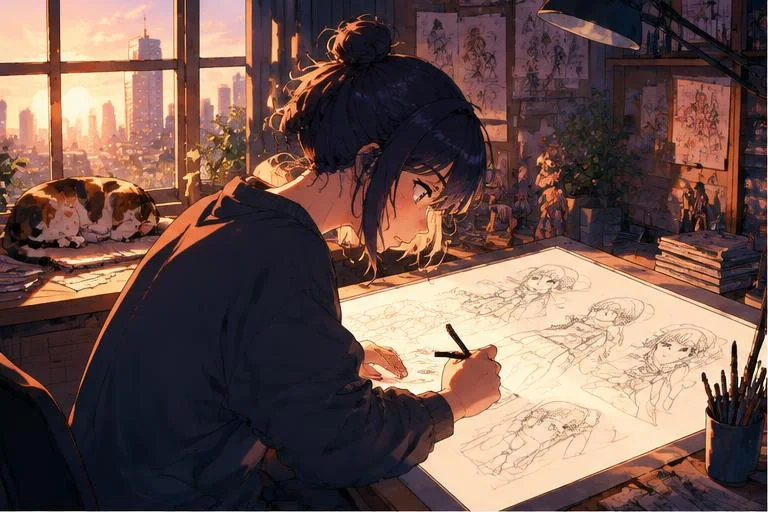
A finished manga chapter looks effortless: clean lines, expressive characters, and a page-turning rhythm that pulls readers forward. Behind that polish, however, sits a demanding weekly or monthly production process involving planning, drafting, and revision under tight deadlines. This guide from manga18fx walks through the typical stages a chapter passes through, from an early idea to a finished, published page.
Step One: The Name, or Rough Storyboard
Before any finished artwork begins, most creators produce what is called a 'name' in Japanese manga production, essentially a rough storyboard sketched with simple shapes, stick figures, and placeholder dialogue. This stage focuses entirely on pacing and layout: how many panels a scene needs, where the reader's eye should land first, and how a dramatic moment should be framed. Editors frequently review this rough draft first, since layout and pacing problems are far easier to fix before detailed artwork exists.
Step Two: Editorial Feedback
Most professional manga is produced in close collaboration with an editor, who reviews the rough storyboard and offers feedback on pacing, clarity, and story structure. This relationship is often underappreciated by readers, but it plays a significant role in shaping a series over time. An editor might suggest slowing down a reveal, clarifying a character's motivation, or adjusting a page count to fit an upcoming issue. Revisions at this stage are common and expected, functioning much like a manuscript edit in publishing.
Balancing Long-Term Plot With Weekly Deadlines
Serialized manga faces a unique challenge: the overall story must progress meaningfully while each individual chapter still needs a satisfying rhythm on its own, especially for weekly magazines where reader engagement is tracked closely. Creators often plan several chapters ahead in broad strokes while finalizing details closer to each deadline, balancing long-term arcs against the practical reality of a recurring publication schedule.
Step Three: Penciling and Inking
Once a storyboard is approved, the creator moves to detailed penciling, refining rough shapes into finished figures, backgrounds, and expressions. After penciling, inking traces over these pencils with permanent linework, defining the final look of each panel. Many professional manga artists work with a small team of assistants at this stage, who often specialize in backgrounds, tone application, or finishing details, allowing the lead artist to focus on character work and key dramatic panels.
Step Four: Screentones and Finishing Touches
Because most manga is published in black and white, artists use screentones, patterned textures applied to suggest shading, color, or mood, to add visual depth without full color illustration. Digital tools have largely replaced the physical adhesive sheets once used for this step, but the underlying goal remains the same: creating contrast and atmosphere using structured patterns rather than a full color palette. Lettering, sound effects, and dialogue placement are also finalized during this stage.
Every finished page represents dozens of small decisions made under a real deadline, not a single burst of inspiration.
Step Five: Editorial Approval and Publication
With finished pages complete, a chapter goes through a final editorial review before publication, whether in a print magazine, a digital platform, or both. Deadlines in serialized manga are notoriously demanding, and many creators work with tight overnight schedules leading up to a release date. Once approved, the chapter is published on schedule, and the entire cycle begins again for the following installment, often while the creator is simultaneously planning chapters further down the line.
From Chapters to Collected Volumes
After a run of chapters has been serialized, publishers typically compile them into a collected volume, sometimes with small revisions, added cover art, or bonus content not present in the original serialized release. This is often when international readers and adaptation studios get a more polished, consolidated version of the story, distinct from the original weekly or monthly publishing rhythm.
- A rough storyboard, or name, establishes pacing before detailed art begins
- Editors collaborate closely with creators throughout the drafting process
- Penciling and inking are often supported by a small assistant team
- Screentones add shading and mood in black-and-white publication
- Finished chapters undergo final review before scheduled publication
Why Understanding This Process Matters
Knowing how much coordinated effort goes into a single chapter can deepen appreciation for the finished product readers enjoy each week. It also explains why creators sometimes need short breaks, why art quality can shift slightly during particularly demanding arcs, and why editorial collaboration shapes stories in ways that are not always visible from the outside. Guides like this one on manga18fx aim to give fans a clearer picture of the craft behind their favorite series, turning casual reading into a more informed appreciation of the medium.